
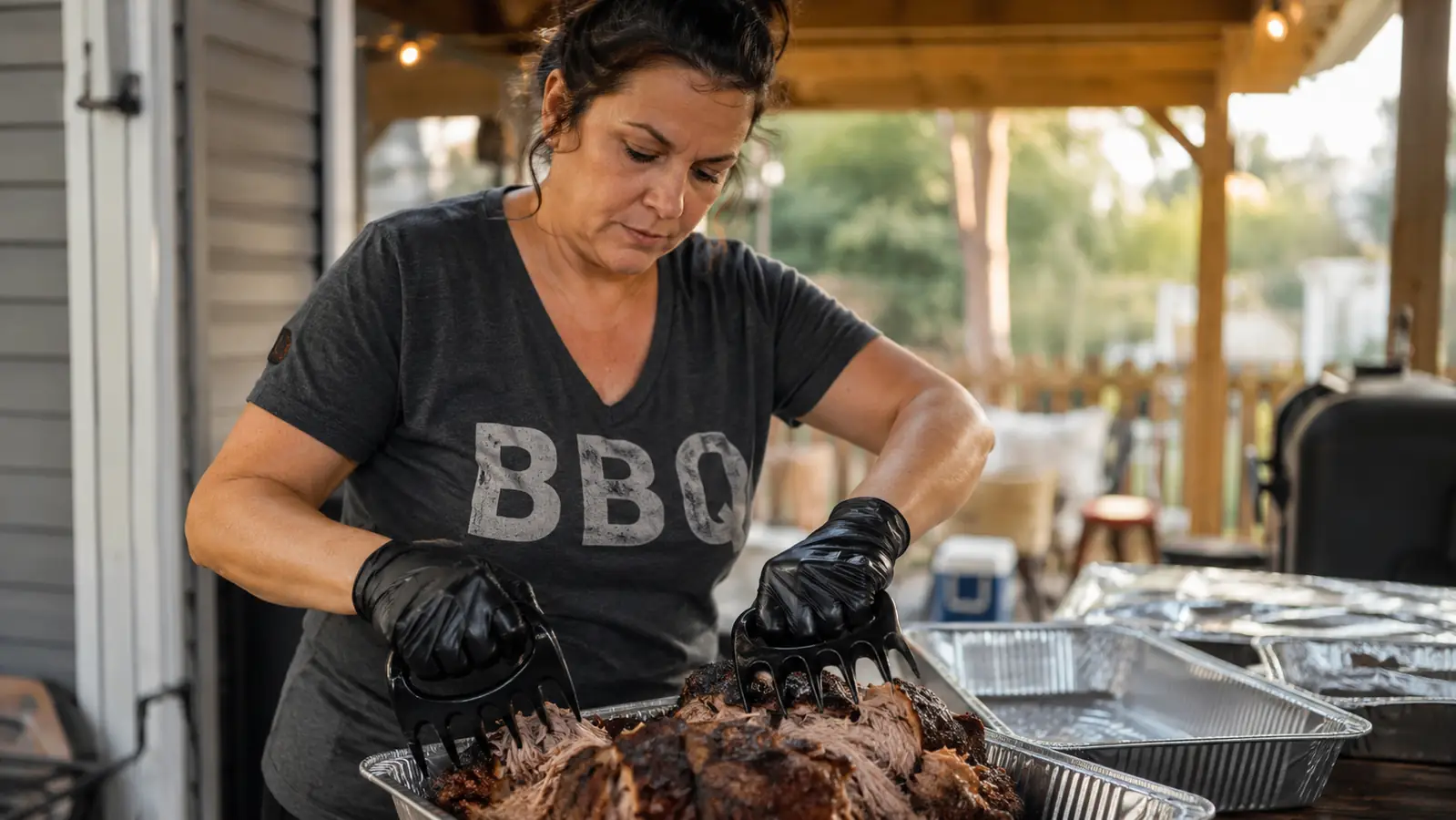
The first time I used my Bear Paws meat claws was at my daughter's graduation party in May, when I had a nine pound pork shoulder to shred for forty people and about twenty minutes before the buffet line started. My husband Tom had grabbed the two pack off Amazon a few weeks earlier on a whim, and it was still sitting in its plastic clamshell in the utensil drawer. I reached for it mostly because my hands were already sore from stirring a pot of baked beans all morning and I did not have it in me to fight a shoulder roast with two forks. Forty minutes later I had two full aluminum pans of shredded pork and my hands did not hurt once. That is the part every glowing review tells you.
What I want to get into here is everything the five star reviews leave out, because after two full grilling seasons of using these claws on pork, chicken, and one memorably disappointing brisket, there are real limits worth knowing before you buy a pair. Bear Paws made its name on this exact curved plastic claw shape, sold as the original meat shredder tool for pulled pork, and it genuinely is one of the best five dollar items in my outdoor kitchen kit, a kit that also includes a lot of gadgets I bought once and never touched again. But "the best tool for the job" and "a tool with no downsides" are two different claims, and I think a lot of the reviews online blur that line without meaning to, mostly because people write them the week they unbox the thing, before the plastic has seen a real season of use.
The Quick Verdict
A genuinely useful five dollar shredding tool for pork and dark meat chicken, just don't expect it to double as a grilling utensil or handle brisket bark and lean breast meat as well as the reviews suggest.
Amazon Check Today's Price →Tired of shredding pork with two forks and losing half of it off the cutting board?
The Bear Paws claws grip warm meat and lift it apart in one motion instead of the fork-and-fork sawing method most of us grew up doing. Here's where to get the exact pair I use.
Amazon Check Today's Price on Amazon →How I've Actually Used Them
I have used these claws for pulled pork six or seven times a summer, chicken quarters and whole roasted chickens more often than that, one Thanksgiving turkey breast, and one brisket that did not go the way I hoped. My mother in law, Carol, watches me use them at every family cookout and finally bought her own pair after seeing how fast I got a shoulder apart for sliders at my nephew's christening in June. That first impression, the one everyone posts about within a week of buying them, is honestly accurate. The curved tines slide under warm, tender meat and lift and pull in one motion, which is a real upgrade from the two fork method most of us learned from our parents, the one where you end up flinging shredded pork across the counter and picking bits of it out of the sink.
Where the story gets more complicated is after month three or four of regular use, once the plastic has been through a dozen wash cycles and soaked up rub and sauce stains it never fully releases. My red pepper and paprika-heavy dry rub in particular left a permanent orange tint in the finger loops that no amount of dish soap has ever fully lifted. The claws still work. They just stop looking or gripping quite like they did out of the box, and nobody mentions that part in the unboxing style reviews, because those reviews are written before month three ever happens.
The Grip Is Great, Until Your Hands Are Wet or Greasy
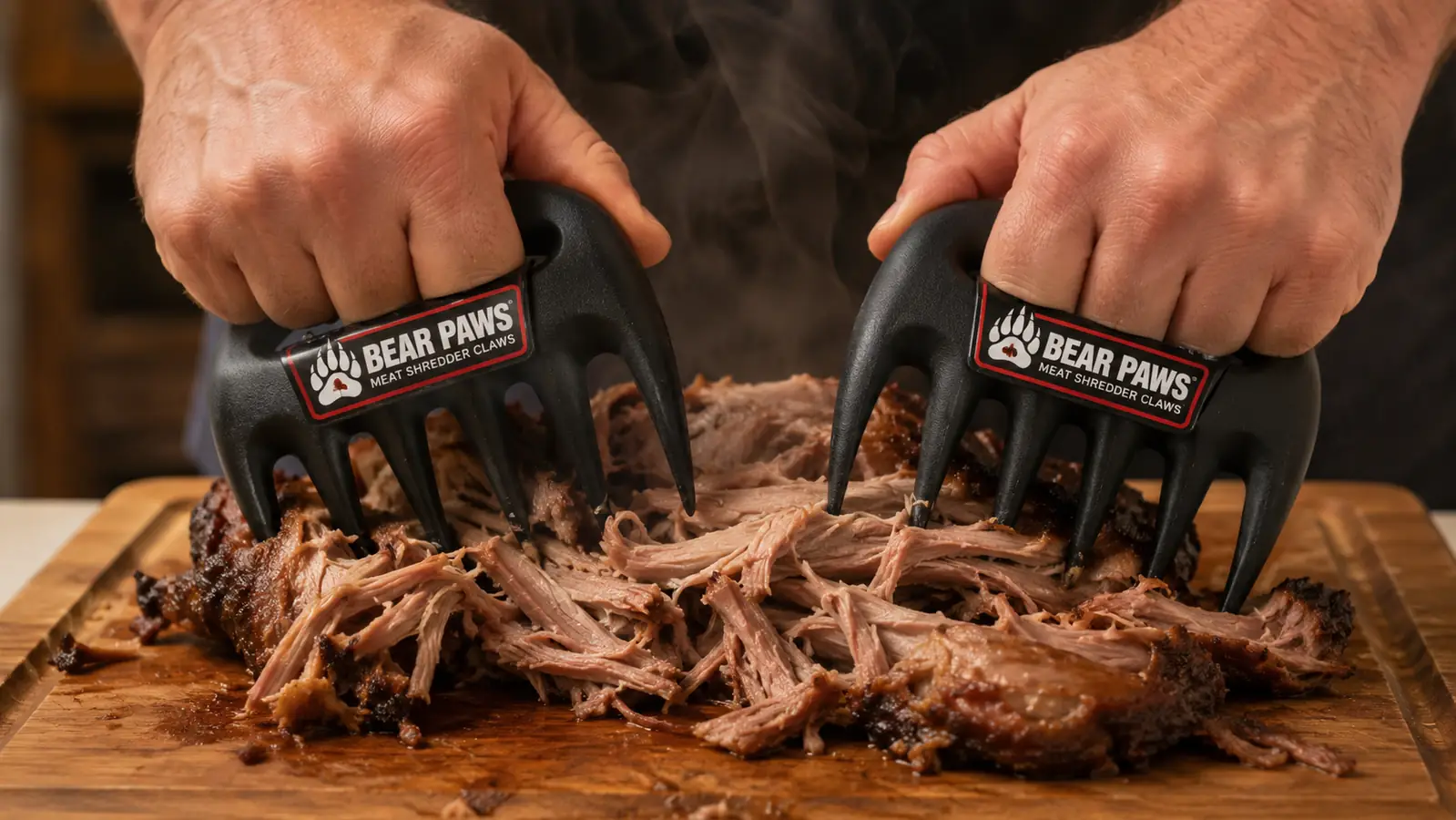
The comb-style tines are shaped for an average adult male hand, and I have smaller hands than that. On my first few uses I found the finger loops sat a little loose, which meant I was gripping tighter than I needed to just to keep the claws from twisting sideways while I pulled apart a shoulder. That extra grip effort defeats some of the wrist relief the tool is supposed to give you in the first place, and after a full shoulder and a couple of chickens in one afternoon, my forearms were tired in a way I did not expect from a tool marketed as effortless. Tom, whose hands are bigger than mine, has the opposite complaint. On a hot, greasy shoulder his fingers can slip forward inside the loops until his knuckles are jammed against the plastic edge, which he says stings enough that he usually hands the claws back to me after the first ten minutes.
Neither problem is a dealbreaker, but it means the fit is not one size fits all the way the packaging photos imply, with a single smiling model gripping them easily. If you have small hands like mine, expect to grip harder than the marketing suggests, and consider that some genuine wrist relief. If you have larger hands like Tom's, expect the loops to feel snug once meat juices get involved and plan on drying your hands partway through a big shred if you can.
What Nobody Tells You About Heat and the Grill
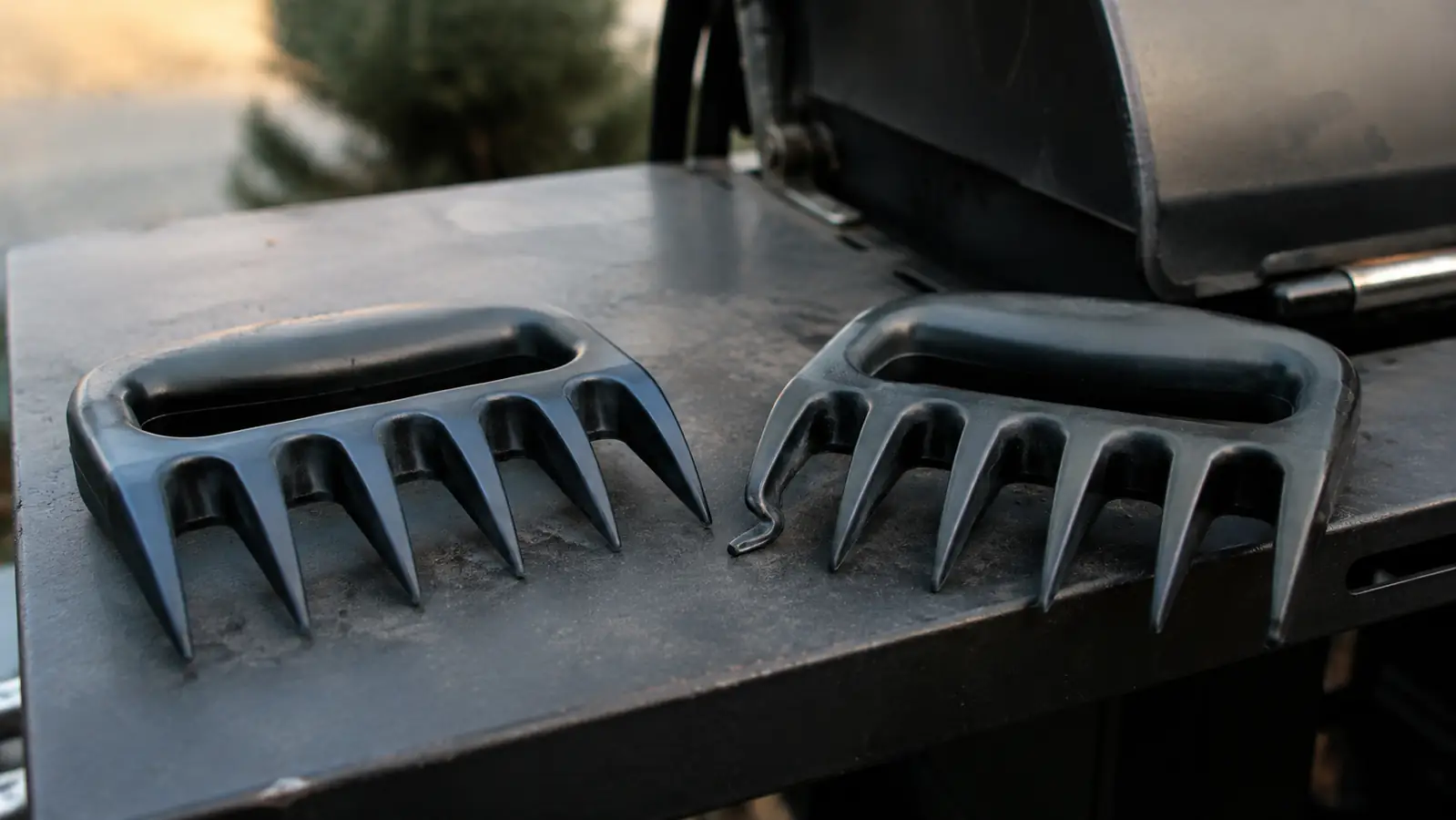
This is the one nobody warns you about clearly enough. These are food grade plastic, not silicone and not metal, and plastic has a melting point well below the temperature of an open grill flame or a hot cast iron surface. I made the mistake exactly once, setting the claws down on the edge of my grill grate for maybe ten seconds while I checked on a chicken thigh, and came back to find one tine had gone soft and slightly curled at the tip. It still works fine for shredding, but it looks a little sad next to its twin now, and I keep meaning to order a replacement pair and never quite get around to it.
Bear Paws is explicit in the fine print that this is a food handling tool for pulling meat off the smoker or out of the pan, not a grilling utensil meant to touch a hot grate directly, but that distinction gets lost in a lot of the marketing photos and videos showing the claws right next to open flame for a dramatic shot. If you smoke or grill regularly, keep a separate pair of metal tongs for anything that touches direct heat, and reserve the claws strictly for the cutting board, a sheet pan, or the slow cooker insert once the meat is off the fire. Treat that rule as non-negotiable and you will get a lot more life out of a pair.
They Don't Shred Every Cut Equally Well
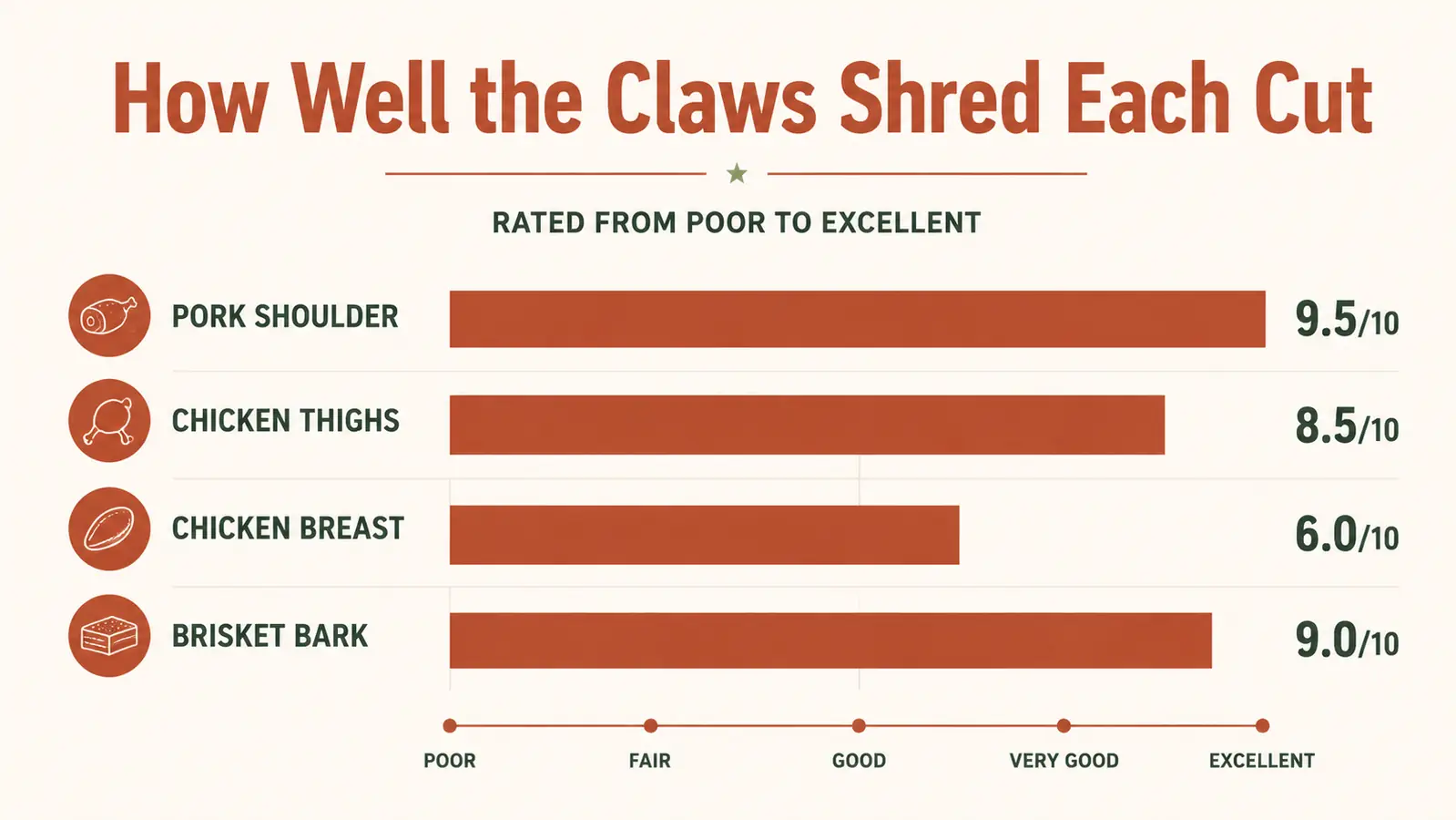
Pulled pork shoulder is genuinely this tool's best event, the one it was built for. The fat content and the way a slow cooked shoulder falls apart along the grain make it almost effortless, the claws do in ninety seconds what used to take me five minutes with two forks and a lot of muttering. Chicken is a mixed bag. Dark meat thighs and quarters shred nicely, similar to pork, and I use the claws for chicken quarters at least twice a month for weekday lunches. Chicken breast is a different story. Lean white meat does not have the same fat to lubricate the shred, and I have had breast meat tear into stringy, uneven shreds that looked more torn than pulled, especially on the one occasion I let a batch of breasts go a few minutes past done in the oven.
The brisket attempt is the one that actually prompted me to write this particular review instead of just another glowing one. I smoked an eight pound point cut for a football watch party in October, and tried shredding through the bark, the dark crusty outer layer, with the claws the same way I would a pork shoulder. The bark did not want to cooperate. It tore in big uneven chunks instead of shredding cleanly, and I ended up going back for my chef's knife to slice the bark into pieces separately before pulling the interior meat apart with the claws. If brisket is your main event, treat these claws as a helpful second step after slicing, not a replacement for a good knife, and manage your expectations if a review promises otherwise.
Dishwasher Safe on the Label, Hand Wash in Practice
The packaging and most retail listings call these dishwasher safe, and technically they do survive a dishwasher cycle without cracking or melting. In practice, after about two dozen trips through my dishwasher's top rack, I noticed the tines had gone slightly more flexible than they were new, with a bit more give when I press on them, and the finger loops picked up a permanent cloudy tint from the heat and detergent that no amount of scrubbing gets out. My second set, the one that only ever gets hand washed and air dried on the drying rack, has held its shape and clarity much better a year and a half in, and still looks close to new.
None of this affects how they perform for actual shredding, the flex and the cloudiness are cosmetic issues, but if you care about your tools looking like new after a season of heavy use, hand wash them and skip the dishwasher even though the label technically allows it. I switched to hand washing mine about four months in and genuinely wish I had started there from day one, especially given how cheap and quick hand washing a two ounce plastic tool actually is.
What You're Actually Paying For
At the price these usually sell for, well under fifteen dollars for a two pack, I do not think anyone should expect commercial grade, restaurant kitchen durability. What you are actually paying for is a simple, well shaped piece of food grade plastic that solves one specific, annoying problem, getting warm shredded meat apart quickly without burning your fingers or destroying your forearms. Judged against that promise, and not against some imaginary version that never scratches, never stains, and never melts near heat, they deliver. Judged against the five star reviews that make them sound like a miracle tool for every cut of meat you will ever cook, they fall a little short, and that gap between the marketing tone and the real experience is exactly why I wanted to write this one down.
One thing I did not expect going in was how often I only need one claw instead of two. Holding a chicken quarter steady with a regular fork in my left hand while shredding with a single claw in my right turns out to be faster for smaller cuts than wielding two claws at once, which is really built for pinning down a whole shoulder or a whole bird with one claw while pulling with the other. Nobody mentions this in the reviews either, most of the demo videos show two claws going at once because it photographs better, not because it is always the most practical grip for every cut of meat you will actually cook on a Tuesday night.
Would I buy them again. Yes, without much hesitation, but I would go in with calibrated expectations instead of the ones the five star reviews gave me the first time around. I would still hand wash them from day one, still keep them away from the grill grate, and still keep my chef's knife handy for anything with a tough bark or crust. Treated that way, a fifteen dollar two pack has more than paid for itself in saved time and saved wrists over two grilling seasons, even with the cosmetic wear and the one melted tip I brought on myself.
What I Liked
- Shreds pork shoulder and dark meat chicken in under two minutes
- Real relief for wrists and hands compared to two forks
- Cheap enough that a melted tine is not a financial loss
- Curved shape grips warm, slippery meat well once you find your grip
- Lightweight and easy to store in a drawer or bag
- Works one-handed for smaller cuts like a single chicken quarter
Where It Falls Short
- Melts or curls if left near direct grill heat or a hot grate
- Struggles with lean chicken breast and brisket bark
- Finger loops fit an average hand, snug or loose outside that range
- Dishwasher use clouds the plastic and softens the tines over time
- Rub and sauce stains, especially from paprika-heavy blends, never fully wash out
These claws are excellent at one specific job. The reviews calling them a miracle tool for every cut of meat are setting you up to be disappointed.
Who This Is For
This tool earns a permanent spot in my kitchen for anyone who regularly makes pulled pork, pulled chicken thighs, or shredded meat for tacos and sandwiches, especially if you deal with any wrist, hand, or grip strength issues the way I sometimes do after twelve hour nursing shifts. At under fifteen dollars for a two pack, it is an easy yes if shredded meat shows up on your table even once a month. Big family cookouts, weekly meal prep, or a Sunday batch of chicken quarters for lunches all get noticeably faster and less painful with a pair of these in the drawer, and Carol's experience proves it is not just my hands that notice the difference.
Who Should Skip It
Skip it if brisket bark or thin, lean cuts like chicken breast are your main use case, since the claws struggle there compared to fattier, more tender cuts, and a knife will serve you better for the bark regardless. Skip it if you plan to use it as a grilling utensil anywhere near direct flame, that is a job for metal tongs, not food grade plastic. And if you have unusually large or unusually small hands and it matters to you how snug a tool fits, know going in that the sizing is built around an average grip, not a custom one, and adjust your expectations rather than assuming the fit shown in the product photos will be perfect for you out of the box.
Just know what you're getting before you order a pair
For pork shoulder and dark meat chicken, these are still the fastest, easiest tool in my kitchen. Here's the exact two pack I've been using and abusing for two grilling seasons.
Amazon Check Today's Price on Amazon →